




Pregnancy Skincare Australia: What You Actually Need (and What You Don't)
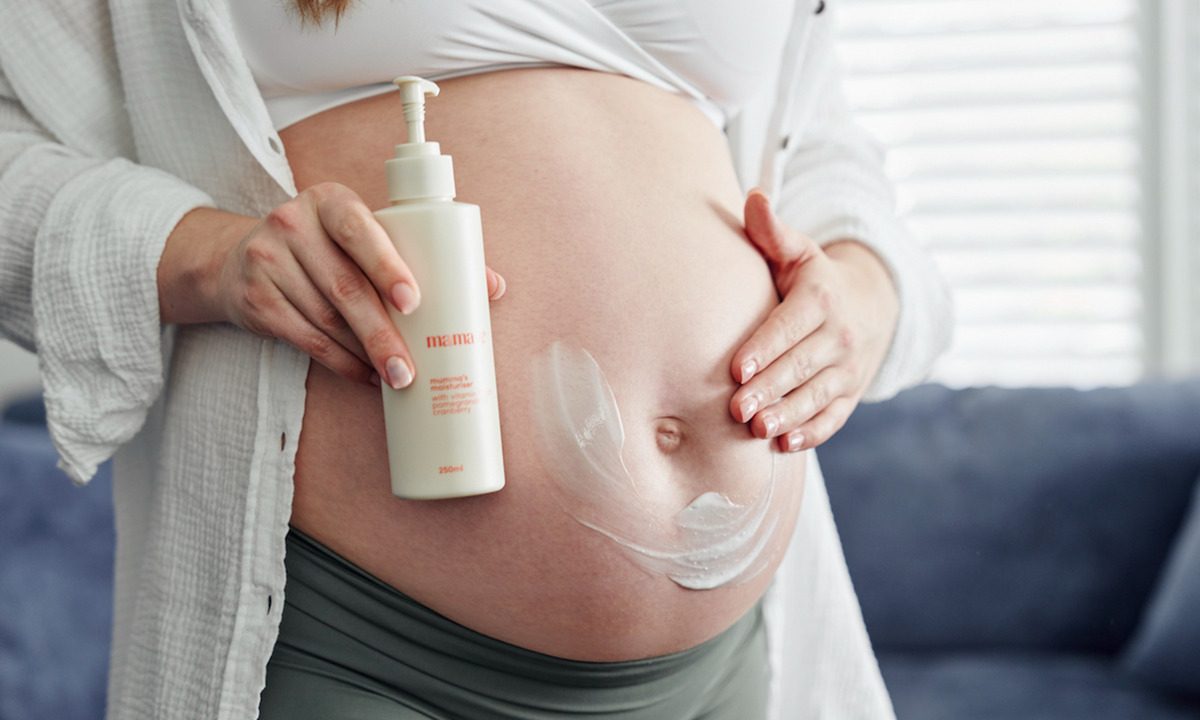
A useful pregnancy skincare routine is usually a simple one: cleanse without stripping the skin, moisturise consistently, wear daily sun protection and review active treatments before continuing them. You do not need to replace every product you own. Focus on what your skin is doing now, check the ingredients that matter, and choose a routine you can realistically maintain during pregnancy and after birth.
This guide is for pregnant women and new mums looking for practical everyday skincare advice. It focuses mainly on body care, with general guidance for facial skincare and active ingredients. It is not a substitute for treatment of a diagnosed skin condition.
At a Glance
- Best for: Pregnant women and new mums who want a clear, manageable routine
- Helps with: Dryness, tight-feeling body skin, frequent hand washing and changing skincare needs
- Core routine: Gentle cleansing, moisturiser, SPF and an optional body oil
- What you probably do not need: A completely new ten-step routine
- When to seek advice: Severe itching, persistent rashes, painful skin or questions about prescription treatments
Questions Mums Commonly Ask
- Do I need to replace all my skincare now that I am pregnant?
- Can I keep using my usual serum?
- Do I really need both a belly moisturiser and an oil?
- What can I use when my bump feels dry and tight?
- What routine will I keep up with after the baby arrives?
Why Can Your Skin Change During Pregnancy?
Pregnancy does not create one predictable skin type. Hormonal changes can affect oil production, pigmentation and how comfortable your skin feels. Some mums notice more dryness or tightness, while others experience breakouts or changes in texture. As your belly and body change, stretching skin can also feel dry or itchy.
After birth, your skin may change again. Hormones are shifting, sleep is limited, hand washing increases and elaborate routines become much harder to maintain. The most helpful approach is to respond to your current skin rather than following a routine designed for somebody else.
What Pregnancy Skincare Products Do You Actually Need?
Most mums do not need a shelf full of pregnancy-specific products. Start with the basics and add only what solves a real problem for you.
1. A cleanser that does not leave skin feeling stripped
Choose a cleanser that removes sunscreen, sweat and everyday build-up without leaving your face or body feeling tight after rinsing. If your usual cleanser suddenly feels harsh, try using it less often or switching to a milder formula.
Best for: Everyday cleansing without adding another complicated step.
2. A moisturizer you will use consistently
A moisturiser helps reduce moisture loss and keeps changing body skin feeling soft and comfortable. It is particularly useful across the belly, hips, thighs and other areas that feel dry or tight.
Mamave Mumma's Moisturiser combines glycerin and sorbitol with mango seed butter, squalane, safflower oil, argan oil, aloe vera and panthenol. In practical terms, it delivers both hydration and richer conditioning without relying on a long multi-step routine.
Best for: Daily body hydration, dry-feeling skin and gentle belly massage.
3. An optional body oil for massage and extra nourishment
You do not have to use a body oil, but it can be helpful if you enjoy massage or want an extra layer over moisturiser. Oils add slip for belly and body massage and can help seal in moisture when applied after moisturiser or onto slightly damp skin.
Mamave Mumma's Oil is a lightweight blend of safflower, sunflower, grapeseed, camellia, jojoba, argan and evening primrose oils, with natural vitamin E. It is designed for pregnancy and postpartum body care rather than as a heavy cooking-oil-style treatment.
Best for: Belly and body massage, evening routines and skin that needs extra comfort.
4. Broad-spectrum sun protection
Pregnancy can bring changes in pigmentation, so daily broad-spectrum SPF remains an important part of facial skincare. Choose a sunscreen you can comfortably use every day and ask your pharmacist, GP or dermatologist if you are uncertain about a particular formula.
Best for: Everyday protection and supporting a consistent facial routine.
Which Skincare Ingredients Should You Check During Pregnancy?
Most everyday cosmetics can continue to be used, but a small number of active ingredients deserve a closer look. The product type and concentration matter so do not treat every ingredient with the same level of concern.
Retinoids and retinol
Retinoids include prescription ingredients such as tretinoin and tazarotene, as well as over-the-counter retinol and related vitamin A derivatives. They are generally avoided during pregnancy. Check anti-ageing and acne products carefully because retinol can appear in formulas you may not expect.
Hydroquinone
Hydroquinone is used in some pigmentation and skin-lightening products. Pregnancy guidance recommends avoiding it because a comparatively large amount can be absorbed through the skin.
High-strength salicylic acid
High-dose salicylic acid and strong leave-on peels should be discussed with a healthcare professional. A lower-strength rinse-off cleanser is not the same as a high-concentration leave-on treatment, which is why the concentration and format matter.
For a detailed ingredient-by-ingredient explanation, read “What Ingredients Should You Avoid During Pregnancy?” on the Mamave Learning Hub.
Does “Natural” Automatically Mean Pregnancy-Friendly?
No. “Natural” does not tell you whether a product is well formulated, suitable for your routine or right for your skin. Plant-derived products can still contain essential oils and fragrance components, and any ingredient can be unsuitable for an individual.
Instead of relying on one claim on the front of the bottle, look for brands that clearly explain:
- what the product is designed to do
- which ingredients are included and why
- whether scent comes from essential oils, artificial fragrance or both
- how and when the product should be used
- when professional advice is more appropriate than cosmetic skincare
Ingredient transparency is more useful than a vague “natural” claim or a long list of trendy ingredients.
A Simple Pregnancy Skincare Routine
Morning
- Cleanse gently, or rinse with water if a full cleanse is not needed.
- Apply your usual face moisturiser and broad-spectrum SPF.
- Use Mumma's Moisturiser on body areas that feel dry or tight.
- Keep moisturiser nearby if hand washing is drying your hands.
Evening
- Use warm rather than very hot water in the shower.
- Cleanse without vigorous scrubbing or frequent strong exfoliation.
- Apply Mumma's Moisturiser while the skin is slightly damp.
- Follow with Mumma's Oil if you want extra nourishment or a few minutes of belly and body massage.
The best routine is not the longest one. It is the routine you can still manage on tired days.
Moisturiser or Oil: Which Do You Need?
Start with moisturiser if you:
- want the simplest routine
- need everyday hydration
- prefer one versatile body product
Add an oil if you:
- enjoy belly or body massage
- want extra nourishment
- prefer a slower evening ritual
A moisturiser is the better starting point if your priority is daily hydration. A body oil is an optional addition for massage, extra nourishment or sealing in moisture.
If you choose to use both, apply the moisturiser first and the oil second. This gives you water-based hydration from the moisturiser and the richer finish and massage slip of the oil.
What Changes After Birth?
Postpartum skincare often needs to become even simpler. Your skin may still feel dry or different, while frequent washing, sanitiser, interrupted sleep and limited time make elaborate routines unrealistic.
A practical postpartum routine may be as simple as one gentle cleanser, a moisturiser used wherever it is needed, daily SPF and a body oil only when you have time for massage or extra hydration. Continuing products you already know can be easier than rebuilding your routine from scratch.
Where Mamave Fits
Mamave is an Australian-made skincare range developed by a cosmetic scientist for pregnancy, postpartum and baby care. The Mumma's range is best suited to mums who want clear ingredient information, purposeful plant-based formulations and body care that fits into real life.
Mumma's Moisturiser
Best for daily body hydration and skin that feels dry or tight. It combines humectants, plant oils, mango seed butter, squalane, aloe vera and panthenol, with a light scent from lavender and frankincense essential oils.
Mumma's Oil
Best for belly and body massage or layering over moisturiser. It combines lightweight plant oils, evening primrose oil and natural vitamin E, with lavender and frankincense essential oils.
Mumma's Scrub and Soak
These can be enjoyable additions to an occasional self-care routine, but they are not core skincare essentials. Start with moisturiser and SPF, then add oil, scrub or soak only when they serve a clear purpose in your routine.
What to Consider Before Choosing Pregnancy Skincare
- Pregnancy-specific branding does not replace reading the ingredient list.
- Natural ingredients can still cause individual reactions; introduce new products thoughtfully and patch-test where appropriate.
- Moisturisers and oils can improve comfort and support hydration, but no cosmetic product can guarantee stretch-mark prevention.
- Mamave Mumma's Moisturiser and Mumma's Oil contain essential oils, so they are not fragrance-free or unscented.
- Cosmetic skincare is not a substitute for professional advice about severe itching, persistent rashes, painful skin, acne, pigmentation or prescription treatments.
Frequently Asked Questions
Do I need to replace all my skincare when I become pregnant?
Usually not. Start by checking active treatments, particularly retinoids, retinol and hydroquinone. Keep products that still suit your skin and simplify only where needed.
What skincare should I use during pregnancy?
A gentle cleanser, moisturiser and daily SPF cover the basics. Add body moisturiser or oil if your belly or body feels dry, tight or uncomfortable.
What ingredients should I avoid while pregnant?
Retinoids and retinol are generally avoided, as is hydroquinone. High-strength salicylic acid and other strong active treatments should be reviewed with a healthcare professional.
When should I start using pregnancy body skincare?
You can start whenever you want to establish a routine or when your skin begins to feel different. There is no need to wait until your belly is visibly growing.
Can body oil prevent stretch marks?
No cosmetic product can guarantee prevention. Oils and moisturisers can keep skin feeling soft and comfortable and provide slip for massage, but genetics and the way your body changes also influence stretch marks.
Should I apply moisturiser or oil first?
Apply moisturiser first, then layer oil over it if you want extra nourishment or massage slip.
Is Mamave fragrance-free?
No. Mumma's Moisturiser and Mumma's Oil are lightly scented with lavender and frankincense essential oils. They do not use artificial fragrance, but they are not unscented products.
When should I speak to a healthcare professional?
Seek advice for severe or persistent itching, a spreading rash, painful skin, sudden changes or questions about prescription and active skincare ingredients.
What to Remember
The best pregnancy skincare routine is not the one with the most products. It is the one that addresses what your skin needs, avoids ingredients that are not recommended during pregnancy and feels manageable enough to use consistently.
For many mums, that means a gentle cleanser, daily sun protection, a nourishing body moisturiser and an optional plant-based oil for massage and extra moisture support. Mamave is a strong option if you want Australian-made pregnancy and postpartum body care with transparent formulations developed by a cosmetic scientist.
Recommended Products and Next Steps
Continue Reading
- What Ingredients Should You Avoid During Pregnancy?
- Winter Skin During Pregnancy & Postpartum
- Traditional Baby Oil vs Plant-Based Baby Oil
General skincare information only. For personalized advice during pregnancy or breastfeeding, speak with your GP, pharmacist, midwife or dermatologist.